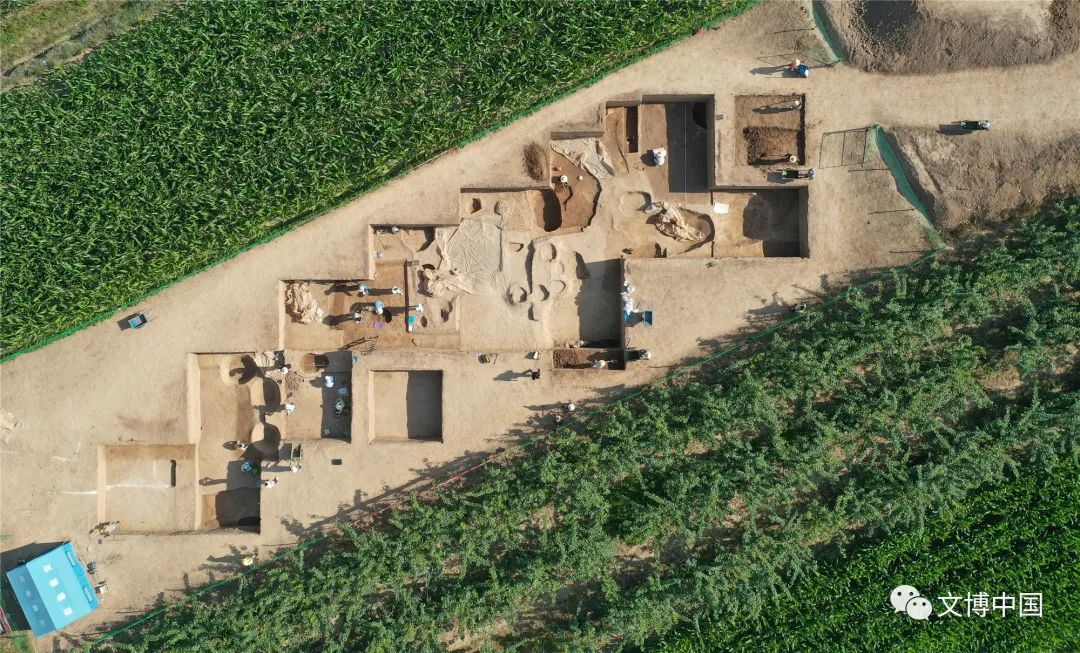
Xitou Site
Introduction
The Xitou Site, located in Xunyi county, Xianyang city, Shaanxi province, is a significant archaeological site dating back to the Western Zhou Dynasty (c. 11th century to 771 BC). Discovered in 1943, this site is recognized as the largest site from the Shang (c. 16th century-11th century BC) and Zhou (c.11th century-256 BC) dynasties within the Jinghe River basin. Archaeological discoveries at Xitou have provided crucial insights into the early stages of Zhou civilization, highlighting its historical and cultural significance.
The site is distinguished by its ruins of a Western Zhou Dynasty city, copper smelting facilities, grain storage areas and large tombs encircled by trenches. These findings have shed light on the early social structures, settlement functions and mortuary practices of the period. Moreover, the Xitou Site holds key information for researchers exploring the historical records of "bin", a region believed to be central to the activities of the Zhou's founders.
Discovery and Excavation
Initial Discovery
The initial discovery of the Xitou Site in 1943 marked an important moment in the field of archaeology, particularly in the study of the Shang and Zhou dynasties. Located in the strategic region of the Jinghe River basin, this site opened a new window into understanding the dynamics and the extent of ancient Chinese civilization during the Western Zhou period. The discovery of this site was pivotal in acknowledging the geographical reach and cultural impact of the Zhou Dynasty, which played asignificant role in shaping the history of ancient China.
Archaeological Excavation Efforts
Over the years, extensive archaeological excavations have been conducted at the Xitou Site, revealing a wealth of information about the Western Zhou civilization. Archaeologists have uncovered critical structural remnants, including city ruins, indicative of the organized urban planning and resource management of the time. The site has yielded invaluable insights into ancient metallurgical practices through the discovery of copper smelting operations. Additionally, the excavation of granaries has provided evidence of agricultural storage and management, illustrating the socio-economic dynamics of the Zhou period.
The presence of large tombs surrounded by trenches suggests a complex system of burial customs, reflecting the social hierarchy and ritualistic practices of the era. These findings contribute significantly to our understanding of the Western Zhou Dynasty's social organization and cultural practices. The ongoing excavation efforts continue to unravel the mysteries of the Zhou civilization, offering crucial data that helps decode the origins and early development of this influential dynasty.
Historical Significance
Cultural Context
The Xitou Site occupies a pivotal place in the cultural history of ancient China, particularly in understanding the transition from the Shang to the Zhou dynasties. As the largest site from these periods in the Jinghe River basin, Xitou provides crucial context for the cultural and social transformations that occurred during the Western Zhou Dynasty. The archaeological evidence uncovered here reflects the integration and evolution of societal structures, religious beliefs and technological advancements.
The site's findings, particularly the city ruins, highlight the administrative capabilities and territorial expansions of the Zhou Dynasty, offering insights into how the Zhou rulers consolidated their power and influence. The presence of copper smelting and grain storage facilities signifies the advancements in technology and agricultural practices, which played a crucial role in sustaining and expanding the Zhou civilization.
Artifacts Found
Numerous artifacts have been unearthed at the Xitou Site, each providing valuable insights into the daily lives and cultural practices of the Western Zhou people. The artifacts include items related to metallurgy, such as tools and remnants of copper smelting equipment, which offer evidence of the technological prowess of the time. Additionally, the discovery of pottery and other household items sheds light on the domestic and economic activities of the Zhou civilization.
The burial objects found in the tombs, including ceremonial and decorative items, reflect the spiritual beliefs and social hierarchies of the period. These artifacts, often crafted from various materials, demonstrate the artistic skills and cultural exchanges that were prevalent in the region. The diversity and complexity of these artifacts underscore the rich cultural tapestry of the Western Zhou Dynasty and its role in laying the foundations for subsequent Chinese civilizations.
Site Description
Geographical Location
The Xitou Site is strategically situated in Xunyi county, within Xianyang city, Shaanxi province. This location, in the heart of the Jinghe River basin, provided the ancient inhabitants with access to vital resources and trade routes. The geographical setting of the site is significant as it offers insights into how the Western Zhou civilization capitalized on its natural environment to establish a flourishing society. The proximity to the Jinghe River would have facilitated transportation and communication, contributing to the site's importance as a center of economic and cultural activity.
Structure and Layout
The structural layout of the Xitou Site reveals a complex and well-organized settlement, indicative of the advanced urban planning and governance of the Western Zhou Dynasty. The city's ruins display a network of roads and paths, suggesting a systematic approach to city planning and resource allocation. The architectural foundations found at the site reflect the construction techniques and materials used by the Zhou people, providing insights into their engineering capabilities.
The presence of copper smelting sites and granaries within the settlement highlights the economic activities and technological advancements of the period. The layout of these facilities suggests a centralized approach to resource management and distribution, which would have been pivotal in supporting the population and sustaining the Zhou civilization's growth.
Preservation and Conservation
The preservation of the Xitou Site is of utmost importance given its historical and cultural significance. Current efforts focus on maintaining the integrity of the site while facilitating further research and public education. Conservation measures are in place to protect the structural remains, artifacts, and the surrounding environment, ensuring that the site can continue to offer insights into the Western Zhou Dynasty.
Future plans for the Xitou Site emphasize the need for continued archaeological research and the development of educational programs to enhance public awareness of its historical importance. There is potential for the site to become a significant archaeological park, allowing visitors to explore and learn about the early stages of Zhou civilization.








